
Introduction
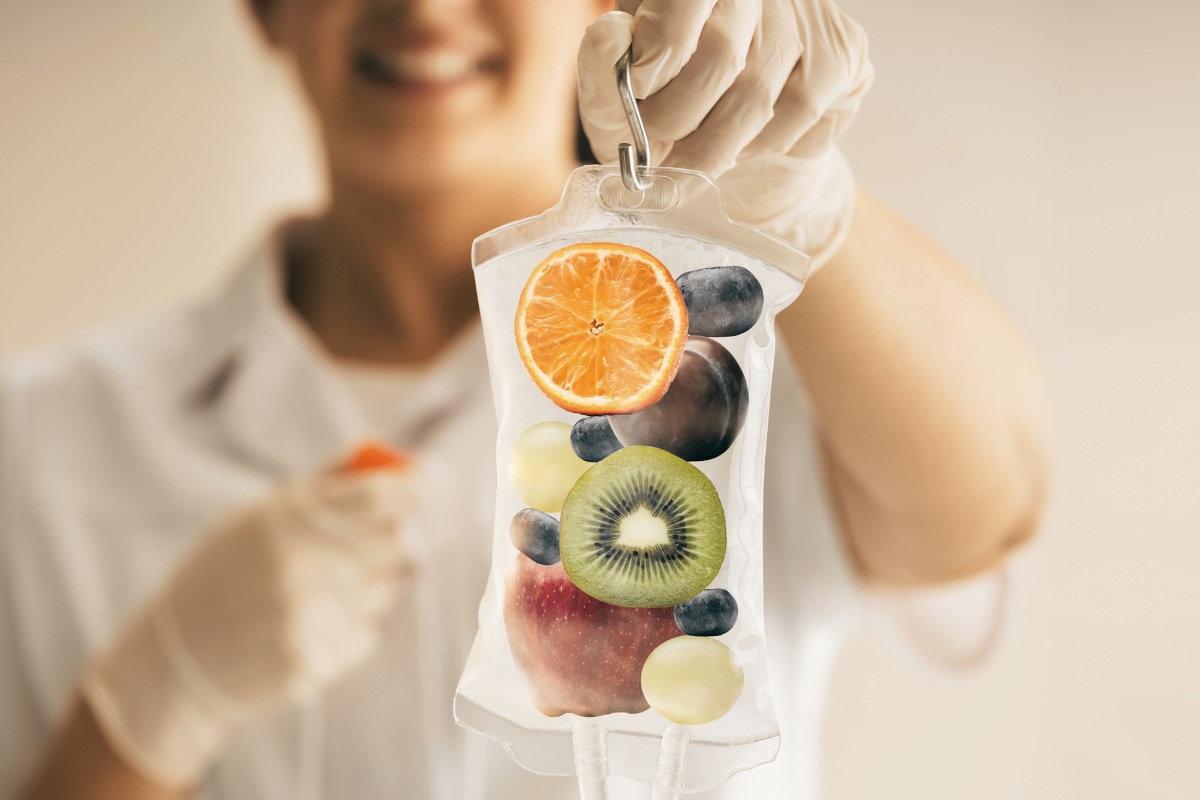
Nutrition is a cornerstone of healing. Food is not viewed merely as nourishment, but as a therapeutic tool that directly influences metabolism, immunity, digestion, hormonal balance, and recovery. Every meal is thoughtfully designed to support the body’s innate healing intelligence in alignment with naturopathic principles.
Individualised and Disease-Specific Nutrition Planning(Providing Diet Plans)
No two individuals respond to food in the same way. Therefore, dietary recommendations are personalised rather than standardized. Each person receives a customised nutrition plan based on:
- Present health condition and diagnosis
- Digestive strength and metabolic status
- Functional imbalances and constitutional factors
- Age, lifestyle, and activity level
- Therapeutic goals and stage of recovery
Diet plans are tailored for specific health conditions such as metabolic disorders, gastrointestinal complaints, lifestyle-related diseases, stress-associated conditions, hormonal imbalances, musculoskeletal issues, and chronic inflammatory states. Nutritional protocols are regularly reviewed and modified according to clinical progress and individual response.
From Taste-Driven Eating to Conscious Nourishment
Modern eating habits are often driven by convenience and sensory preference rather than biological need. Over time, this places excess burden on the digestive system and contributes to systemic imbalance. Emphasis is placed on mindful and therapeutic eating, helping individuals understand not only what to eat, but also how, when, and how much to eat based on their specific health condition.
Core Principles of Nutritional Therapy
The dietary approach is guided by the following principles:
- Foods are kept natural, whole, and minimally processed
- Preference is given to organic, seasonal, and locally sourced ingredients
- Avoidance of refined sugars, artificial additives, preservatives, and trans fats
- Use of food as a therapeutic intervention to support detoxification, tissue repair, and metabolic balance
- Meal timing aligned with digestive capacity and circadian rhythm
- Diet progression adapted according to disease stage and healing response
Therapeutic Food Selection
Based on individual requirements, dietary plans may include:
- Fresh fruits and raw vegetables (selected according to digestive tolerance)
- Lightly cooked and steamed vegetables to enhance nutrient absorption
- Fresh herbs and medicinal spices
- Organic whole grains in controlled portions
- Plant-based proteins such as legumes and pulses
- Nuts and seeds as per caloric and metabolic needs
- Healthy fats in moderation, including coconut oil, olive oil, sunflower oil, and flaxseed oil
- Dairy products such as milk, curd, and buttermilk (used selectively)
- Soy and soy-based products such as tofu, soy milk, and soy curd
- Natural beverages including water, herbal teas, and freshly prepared fruit or vegetable juices
Food choices, quantities, and combinations are adjusted according to the individual’s condition and therapeutic goals.
Cooking Methods that Preserve Nutrition
Food preparation methods are selected to maintain nutrient integrity and reduce digestive stress. Commonly used methods include steaming, light sautéing, stir-frying, baking, grilling, and roasting. Meals are designed to be both nutritious and palatable, ensuring ease of digestion and long-term adherence.
Regular nutrition education and food preparation demonstrations are conducted to help individuals continue these practices confidently at home.
Supporting Long-Term Lifestyle Change
Healing is most effective when dietary changes are adopted willingly and sustainably. Guidance and structure are provided to help individuals make informed food choices without feeling restricted. Gradual dietary transitions encourage consistency, self-discipline, and long-term health improvement.
Farm-Fresh and Seasonal Nutrition
Fruits and vegetables are primarily sourced from organic, farm-fresh produce whenever possible. Emphasis on seasonal and local foods ensures freshness, higher nutritional value, and alignment with natural biological rhythms.