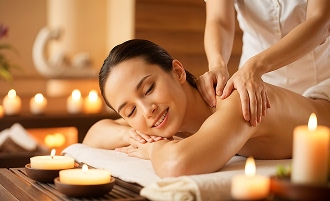
Hydrotherapy is a therapeutic application of water using different temperatures, pressures, and methods to stimulate physiological healing responses. It acts through effects on circulation, thermoregulation, the nervous system, and metabolism. Treatments are prescribed individually, with careful attention to tolerance, vitality, and therapeutic objectives.
Individualised and Condition-Specific Application, Hydrotherapy treatments are selected after assessing the individual’s health condition, cardiovascular stability, nervous system balance, and stage of illness. Temperature, duration, and intensity are adjusted progressively to ensure safety and effectiveness.
Common Hydrotherapy Treatments

1. Full Wet Sheet Pack (FWSP)
Procedure
The individual is wrapped in a cold or neutral wet cotton sheet, followed by dry blankets to retain body heat. The person rests comfortably while the body reacts by generating warmth. Duration usually ranges from 30–60 minutes based on tolerance and therapeutic aim.
Benefits
- Calms the nervous system
- Reduces stress, anxiety, and insomnia
- Promotes detoxification
- Promotes detoxification
Contraindications
- Severe anemia
- Advanced cardiac disease
- Acute febrile illnesses
- Extreme weakness
2. Hip Bath (Hot / Cold / Neutral)
Procedure
The individual sits in a specially designed tub where water covers the pelvic region while the legs remain outside. Temperature and duration vary depending on whether a hot, cold, or neutral hip bath is prescribed.
Benefits
- Improves pelvic circulation
- Helpful in menstrual disorders, constipation, and urinary complaints
- Reduces pelvic congestion
Contraindications
- Pregnancy (hot hip bath)
- Acute abdominal inflammation
- Severe heart disease
3. Spinal Bath
Procedure
The individual lies in a spinal bath tub where water flows along the length of the spine at a prescribed temperature. The treatment is given for a short duration under supervision.
Benefits
- Stimulates spinal nerves
- Improves nervous system regulation
- Relieves back pain and fatigue
Contraindications
- Open wounds
- Skin infections
- Spinal instability
4. Arm and Foot Baths
Procedure
Hands or feet are immersed in warm or cold water tubs for a specific duration. Sometimes contrast baths are used, alternating between hot and cold water.
Benefits
- Improves peripheral circulation
- Relieves headache, stress, and cold extremities
- Supports blood pressure regulation
Contraindications
- Peripheral vascular disease (hot applications)
- Severe neuropathy
5. Immersion Bath
Procedure
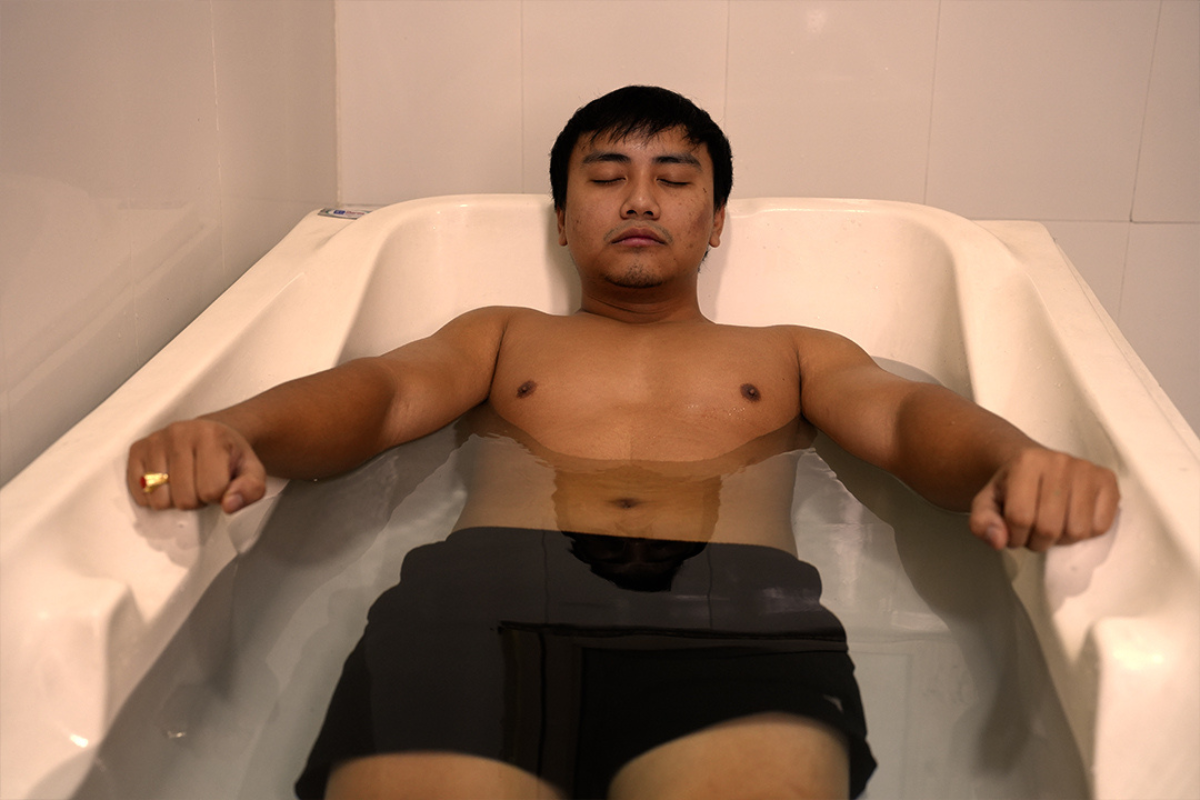
The individual is immersed in a bathtub with water covering the body up to the neck (or chest, as advised). Temperature and duration are adjusted according to the condition.
Benefits
- Relaxes muscles and joints
- Reduces fatigue and stress
- Enhances circulation
Contraindications
- Uncontrolled hypertension
- Cardiac insufficiency
- Skin infections
6. Steam Bath
Procedure
The individual sits inside a steam chamber where moist heat induces sweating. The head may be kept outside or inside depending on tolerance. Adequate hydration is ensured.
Benefits
- Promotes sweating and detoxification
- Relieves muscle stiffness
- Improves skin health
Contraindications
- Improves skin health
- Cardiac disease
- Pregnancy
- Dehydration
7. Sauna Bath (Dry Heat Therapy)
Procedure
The individual sits or lies in a dry heat chamber where temperature is gradually increased. Duration is kept short and followed by rest and hydration.
Benefits
- Induces deep sweating
- Improves circulation
- Relieves muscular and joint stiffness
- Reduces stress and fatigue
Contraindications
- Uncontrolled hypertension
- Severe cardiac disorders
- Pregnancy
- Acute fever or infections
8. Circular Jet Bath
Procedure
The individual stands inside a circular chamber where water jets are sprayed from all directions at controlled pressure and temperature, creating a massaging effect on the body.
Benefits
- Stimulates blood and lymphatic circulation
- Relieves muscle tension
- Improves vitality and relaxation
- Helpful in chronic musculoskeletal conditions
Contraindications
- Severe cardiovascular disease
- Acute inflammation or injury
- Varicose veins (high pressure)
- Skin infections
9. Hot and Cold Compresses
Procedure
Hot or cold compresses are applied locally to the affected area using wet towels or packs for a prescribed duration.
Benefits
- Cold: reduces inflammation, pain, and swelling
- Hot: improves circulation and muscle relaxation
Contraindications
- Cold: cold intolerance, poor circulation
- Hot: acute inflammation, sensory loss
 +91 95208 93189